
 Shop
Shop My
My Custom




FREE 5-Ingredient Recipe EBook
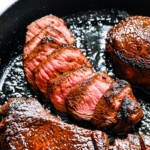
GET IT NOWThere’s nothing quite like a perfectly pan seared steak. Many of my steak recipes use my classic stovetop-to-oven method, but some of you have asked me how to cook steak on the stove by itself. And when it’s just one of those days I’d rather skip the oven, this skillet method is a total winner. I’ve got easy tips and a time chart to help you step up your beef game effortlessly. Make this pan fried steak with me to make it perfectly juicy right on your stovetop!
Why You Need My Pan Seared Steak Recipe

- Perfectly seared every time – I’m talking juicy, tender inside and golden brown crust. It’s all about the right pan, heat, and timing. Make sure to check out my tips below!
- Quick and convenient – If you want to cook steak on the stove without having to turn on your oven or grill, my recipe is for you. And I’ll help you get your pan fried steak just right, all in less than 15 minutes.
- Versatile for any cut – My method works for any steak cut you’ve got, from New York strip to filet mignon to regular sirloin steak, as long as they’re about 1 inch thick.


Ingredients & Substitutions
Here I explain the best ingredients for my pan seared steak recipe, what each one does, and substitution options. For measurements, see the recipe card.
- Steaks – I usually cook top sirloin steaks on the stove, as they’re the perfect balance of tenderness and affordability. But this method works with other 1-inch-thick cuts too, even high-end cuts like ribeye, strip steak, or porterhouse. Choose what fits your taste and budget! If you’ve got filet mignon, I recommend using my pan seared filet mignon recipe.
- Olive Oil – Searing steak requires pretty high heat, and olive oil can handle it. Avocado oil also works well.
- Butter – Just a tablespoon of butter towards the end ads so much flavor! This time I kept it simple with just regular unsalted butter, but you can also get a little fancy with compound butter.
- Salt & Pepper – I always use 1 teaspoon of salt and 1/4 teaspoon of pepper per pound of steak for the perfect seasoning that lets the steak’s natural flavors shine.

How To Sear Steak
I have step-by-step photos here to help you visualize the recipe. For full instructions with amounts and temperatures, see the recipe card.
- Dry and season liberally. Pat your steaks dry with paper towels — this is key to get that golden crust and juicy inside! Then, sprinkle both sides with salt and pepper.
- Cook steaks on the stove. Heat the olive oil a large cast iron skillet over medium-high heat until very hot. Arrange the steaks in the skillet in a single layer. Pan sear steaks, flipping with tongs every 30 seconds, until they reach your desired doneness. See my temp and time chart below to get perfect results!
- Add the butter in the last minute of cooking. Flip the steaks at least once to finish cooking in the butter. Make sure to only add it towards the end, so it doesn’t burn!


- Rest before slicing. Tent your pan seared steaks with foil and allow them to rest. Then, slice against the grain and serve. I like to serve with extra butter on top!

How Long To Cook Steak On The Stove?
My favorite way to enjoy steak is medium, so I cook steak on the stove until it hits 140 degrees F, which takes about 7-8 minutes total. If you prefer a different doneness, just check out my pan seared steak time chart.
| Desired Doneness | Internal Temperature* | Total Time |
|---|---|---|
| Rare | 120 degrees F | 3-4 minutes |
| Medium Rare | 130 degrees F | 5-6 minutes |
| Medium | 140 degrees F | 7-8 minutes |
| Medium Well | 150 degrees F | 9-10 minutes |
| Well Done | 160 degrees F | 11-12 minutes |
*Note: These are the times and temperatures for when you’d remove the steak from the pan. The internal temp will rise another 5 degrees while resting.

My Tips For Juicy Results
- High-quality steak is key. I recommend sourcing your steaks from a local butcher. They often offer fresher and higher quality cuts than what you might find at grocery stores.
- Go for thicker steaks, but not super thick. 1 inch thick is the sweet spot for this pan seared steak recipe. Thicker steaks are more foregiving and don’t overcook as easily as 1/2-inch ones. But, it’s more challenging to cook steak on the stovetop without burning the outside when it’s very thick (1.5 to 2 inches). For those extra thick ones, I recommend either grilling steak or using my stovetop-to-oven method (see my sirloin steak recipe).
- Bring your steaks to room temperature if you can. Setting it out 30 minutes before cooking helps it cook more evenly, so you get that perfect doneness from edge to edge.
- Turn on your stovetop fan. Even with a heat-safe oil and only adding the butter at the end, cooking steak on the stove can create smoke. The smoke detector definitely goes off if I forget to turn on the fan.
- Get your skillet and oil very hot. Searing a steak in a pan that isn’t hot enough will make you miss out on that delicious crispy crust! You’ll know it’s ready when the oil glides smoothly around the pan if you tilt it. This is also why I use and highly recommend my enameled cast iron skillet — nonstick pans won’t heat up as hot.
- Flipping frequently helps your steaks cook faster and more evenly. I don’t do this for my steaks that I’ll be transferring to the oven to finish, but when cooking steak completely on the stovetop, this gives me better results than just flipping once.
- Be careful not to overcook. For the best results, I always use my instant-read meat thermometer. (I use a probe for many steak recipes, but not for pan seared steak because you have to flip it constantly!) Check my temperature chart above to get the doneness you want. And don’t forget to remove your pan seared steaks immediately and let them rest to let the juices settle.
- Always cut against the grain. This breaks up the muscle fibers and gives you a more tender texture in every bite. I find it helpful to note the direction of the grain before cooking, as it’s easier to spot when the steak is raw.
Flavor Variations
I use the simple salt and pepper seasoning with a little butter most often, but you can also change it up:
- Marinade – Don’t think marinades are just for tough cuts; they can kick any steak up a notch. Try my steak marinade with coconut aminos (or soy sauce), olive oil, balsamic vinegar, Italian seasoning, garlic, salt, and pepper. Throw in some fresh rosemary or thyme for an extra flavor burst.
- Seasoning – Boost your steak’s flavor with my Montreal steak seasoning—or even my pork chop seasoning works great on beef! For the best flavor, rub it on and let it sit in the fridge uncovered overnight. You’ll get a beautifully seasoned crust when you pan-sear.
- Herbs Or Garlic – When you add the butter towards the end, toss in a few whole peeled garlic cloves and/or sprigs of hearty fresh herbs, such as rosemary or thyme. They’ll still get fairly dark and you won’t want to eat them, but they’ll infuse your pan seared steak with flavor! (See my bacon wrapped filet mignon for more detail on how to do this.)
Storage Instructions
- Store: Fresh steaks are best, but leftovers keep in the fridge for 3-5 days. Use them in my steak salad, or swap into my taco salad recipe.
- Reheat: One day when reheating my reverse sear steak, I came up with the perfect way to reheat any steak recipe. Just put them in a baking dish with a little broth, cover with foil, and warm at 250 degrees F for about 10 minutes.
- Freeze: Freezing pan seared steaks isn’t ideal as the texture changes, but you can freeze for up to 3 months and use in soups, sandwiches, salads, or casseroles.

Serving Ideas
Now that you know how to cook steak on the stove, the only question left is what to serve it with! As always, I’ve got lots of options for you to choose from:
- Toppings – If you’re not going with plain butter or garlic butter, try some sauteed mushrooms, caramelized onions, or a drizzle of chimichurri sauce or blue cheese sauce.
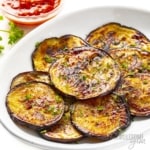
- Potatoes – You can’t go wrong with roasted potatoes, but I often make air fryer potatoes when I’m avoiding turning on the oven. For lighter options, try my mashed cauliflower or fried radishes.
- Vegetables – Air fryer asparagus or sauteed asparagus are my go-to veggie option with pan seared steak. For a classic steakhouse vibe, whip up my creamed spinach, sauteed broccoli, or fried brussels sprouts.
- Salads – A fresh salad is a great way to balance a hearty pan fried steak. I like a creamy cucumber salad or simple 10-minute arugula salad. My kids love sweeter options, like pomegranate salad or kale salad with maple dressing.
My Tools For This Recipe
- Cast Iron Skillet – The only pan I use to cook steak on the stove! It heats evenly and gives a fantastic sear. Plus, it’s enameled, so there’s no fuss with seasoning it.
- Meat Thermometer – It’s truly instant! And always accurate.

How To Cook Steak On The Stove
Learn how to cook steak on the stove perfectly with my juicy, easy pan seared steak recipe and time chart. No oven or grill needed!
 Remove Ads

Instructions
Tap on the times in the instructions to start a kitchen timer.
-
Pat the steaks dry with paper towels. Season both sides with salt and pepper. If you have time, let the steak sit at room temperature for 30 minutes, which will help with even cooking. (It’s okay to skip this if needed.)
-
Heat the olive oil a large cast iron skillet over medium-high heat for 2-3 minutes, until very hot. The oil should slide around the pan easily when tilted. Have the butter ready next to the stove before you add the steaks.
-
Arrange the steaks in the skillet in a single layer. (Cook in batches if they don’t all fit.) Cook the steaks, flipping every 30 seconds but not moving around in between. For 1-inch-thick steaks, the cook time is about 3-4 minutes for rare, 5-6 minutes for medium rare, 7-8 minutes for medium, 9-10 minutes for medium well, or 11-12 minutes for well done. Add the butter to the pan in the last 1 minute of cooking and flip the steaks at least once to finish cooking in the butter. The final internal temperature should be 120 degrees (49 degrees C) for rare, 130 degrees (54 degrees C) for medium rare, 140 degrees (60 degrees C) for medium, 150 degrees (66 degrees C) for medium well, or 160 degrees (71 degrees C) for well done (internal temperature will rise an additional 5 degrees when resting in step 5).
-
Remove the steaks from the pan right away to prevent overcooking. Tent with aluminum foil for 10 minutes to rest.
-
Slice against the grain to serve. If desired, serve with an additional pat of butter on top.
LAST STEP: Leave a rating to help other readers, or tag me @wholesomeyum on Instagram. I’d love to hear from you!
Maya’s Recipe Notes
Serving size: 1 8-ounce steak
- Tips: Be sure to check out my recipe tips above for getting the perfect sear, cooking steaks evenly, and keeping every bite tender and juicy!
- Store: Leftover steak stays fresh in the fridge for 3-5 days.
- Reheat: Place steak in a dish with broth, cover with foil, and warm in the oven at 250 degrees F for 10 minutes.
- Freeze: Freeze for up to 3 months, but texture may change.
I provide nutrition facts as a courtesy. Have questions about calculations or why you got a different result? Please see my nutrition policy.
Add Your Notes Your Notes
Try More Of My Recipes


© Copyright Maya Krampf for Wholesome Yum. Please DO NOT SCREENSHOT OR COPY/PASTE recipes to social media or websites. We’d LOVE for you to share a link with photo instead.
How To Cook Steak On The Stove










6 Comments
Tara Bertic
0What if you don’t have cast iron?
Maya | Wholesome Yum
0Hi Tara, Any oven-safe skillet will work, cast iron just gets you the best results.
Brenda
0Thanks for a great and easy recipe for a less than 1″ thick steak! Most other recipes are specifically for a nice thick steak, but a thinner one, 3/4″ thick, would get overcooked. This made so much sense, get the pan piping hot, put in the oil and flip every 30 seconds until the internal temp is how you like it! Make sure to salt it with large crystal salt at least 4 or 5 hrs early( with other seasonings of your choice) so that they have time to get into the meat, its worth the wait. Our sirloin steak was fantastic!
Maya | Wholesome Yum
0I’m so glad this was helpful for you, Brenda! Yes, sometimes all you can find is thin steaks and it’s nice to have a recipe for that. I use fine sea salt, but you can use large crystal if you like. Enjoy!
Kathleen
0I tried this recipe last night and worked perfect for the T-bones we had. I’ll use it again!
Maya | Wholesome Yum
0I’m so glad you liked this recipe, Kathleen! Thank you!